How to Pick the Right Self Drive Dune Buggy for Dubai Desert Driving
Choosing a self drive dune buggy is less about chasing the biggest engine and more about matching the vehicle, route and safety setup to the way you plan to drive. Dubai desert terrain can shift from firm sand tracks to steep dunes and soft pockets in a short run. A good choice makes the day smoother, safer and more enjoyable for everyone in the group.
Start by being honest about who will drive and what kind of experience you want. A first timer looking for a steady introduction needs a different setup from someone comfortable with dune climbing and technical steering. The right decision usually comes from working through a few practical checks in order.
Decide what kind of drive you want
Before comparing buggies, define the purpose of the trip. A relaxed drive over marked routes calls for a vehicle that is easy to control, stable at modest speed and forgiving on uneven sand. A more ambitious dune session calls for stronger power, better suspension travel and a driver who understands how to read slopes and ridges.
Think about the group too. If children or less confident passengers are joining, comfort and seating position matter as much as performance. If the plan is a spirited drive with experienced friends, handling and visibility become more important. A buggy that suits the whole group is a better choice than one that only suits the most enthusiastic driver.
Also consider timing. Daylight driving tends to offer clearer views of dune shapes and obstacles, while late afternoon light can make shadows longer and terrain harder to judge. Whatever the time, the vehicle should support a measured pace rather than encourage risky driving.

Check driver ability before vehicle power
Self drive means the driver takes responsibility for steering, braking and judging the terrain. Power helps on climbs, but it can also get a buggy into trouble quickly if the driver turns too sharply or carries too much speed into a slope. A smaller, well balanced buggy is often easier to manage than a high powered one in the hands of a beginner.
Ask whether the driver has experience with sand driving. Skills such as looking ahead, keeping momentum on climbs and avoiding sudden steering inputs matter more on dunes than on paved roads. If confidence is limited, choose a calmer route and a buggy with predictable controls.
Passengers should also know what to expect. Loose sand, bumps and angled descents can feel more intense than they look from outside the vehicle. Clear expectations reduce the chance of panic, poor positioning or rushed decisions during the drive.
Match the buggy to the terrain
Desert terrain rewards certain design features. A buggy with good ground clearance is less likely to scrape on sand ridges or rough approaches. Suspension quality affects how the vehicle settles after bumps and how much control the driver keeps when crossing uneven ground. Seats, harnesses and side support also matter because the body moves with the buggy on slopes and turns.
When comparing options, look for a setup that feels balanced rather than simply aggressive. Wide tyres can help spread weight over soft sand, while responsive steering helps the driver make small corrections without overreacting. Visibility is another practical point. The driver needs a clear view ahead and to the sides, especially when other vehicles are nearby.
When people search for self drive dune buggy dubai, they often focus on speed or appearance. Those details are easy to notice, but terrain suitability is the more useful test. A good buggy should let the driver stay relaxed, read the sand and keep the vehicle controlled without constant effort.
Review safety equipment and condition
Safety should be checked before any discussion of performance. A proper seat, secure harness and clean driving position all help the driver stay stable. Roll protection is also worth checking, along with the general condition of the frame, tyres and suspension. Wear or damage should never be ignored, because sand driving puts continuous strain on a vehicle.
Ask what safety equipment is provided and how it is maintained. Helmets, gloves and eye protection can make a real difference in comfort and confidence. The fit matters, since loose gear can distract the driver or fail to protect properly. If any item looks worn or ill fitting, raise it before the drive begins.
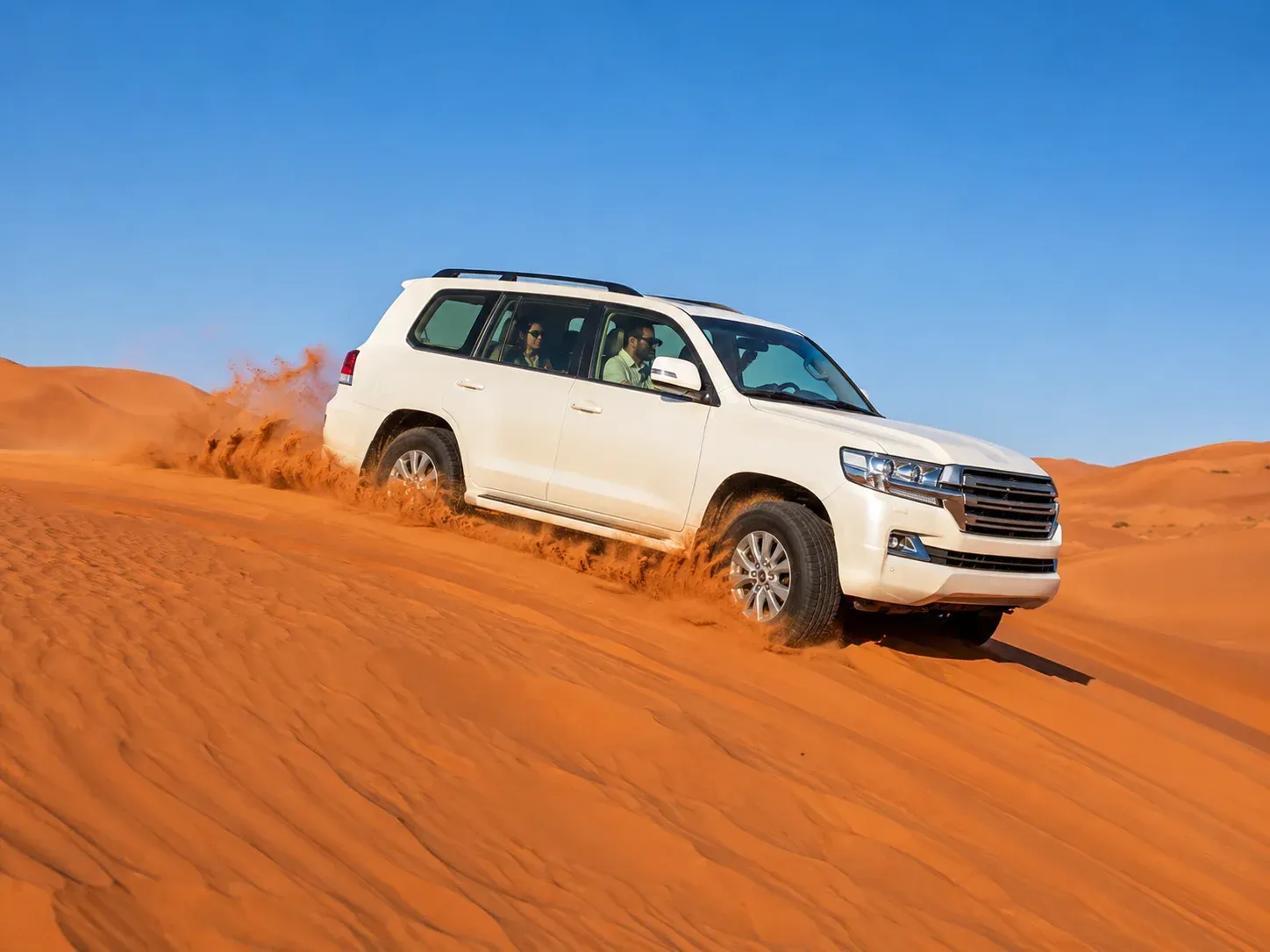
Mechanical issues are not something to diagnose or repair casually. Signs such as unusual noises, weak braking response, pulling to one side or visible damage should be treated as reasons to stop using that vehicle. Repairs involving brakes, steering or other critical systems belong with a qualified professional. A driver should not be expected to manage a fault while out on dunes.
In a broader Dune Buggy Dubai search, it can be tempting to compare only the look of the buggy or the length of the route. Condition and safety gear deserve equal attention, especially when the route is remote and outside help may take time to reach.
Understand the route and driving rules
A buggy is only as suitable as the route chosen for it. Marked trails and controlled areas are more predictable than open desert. Before setting out, clarify where driving is permitted, what areas should be avoided and how vehicles should behave around each other. Protected zones, camps and pedestrian areas need space and care.
Route difficulty should match the group. Narrow tracks, steep crests and soft dunes demand more skill than a broad track with gentle rises. A sensible route gives the driver room to stop, turn and regroup without forcing risky manoeuvres. If the plan includes several vehicles, spacing and communication matter so nobody is pushed to keep up.
Weather and visibility can change the character of a route. Sand can become softer after wind or rain, and low light can hide dips and rocks. If conditions look poor, the better choice is to shorten the drive or stay on easier ground. No buggy choice can replace good judgement about conditions.
Compare the full experience, not one feature
The best choice balances vehicle, route, safety and driver readiness. A powerful buggy on a difficult route can be a poor match for a nervous driver. A modest buggy on a gentle route can be ideal for a family or a first desert drive. Look at the whole experience before deciding which option feels right.
Useful questions include what route will be used, what safety gear is supplied, what driving rules apply and what support exists if the group stops or changes plan. Clear answers suggest a more organised experience. Vague answers are a reason to slow down and reassess.
Comfort also deserves attention. Check that seating feels secure, controls are within easy reach and passengers have a clear place to sit. Desert driving can be physical, and fatigue affects judgement. A buggy that is comfortable at the start is more likely to remain manageable later in the drive.
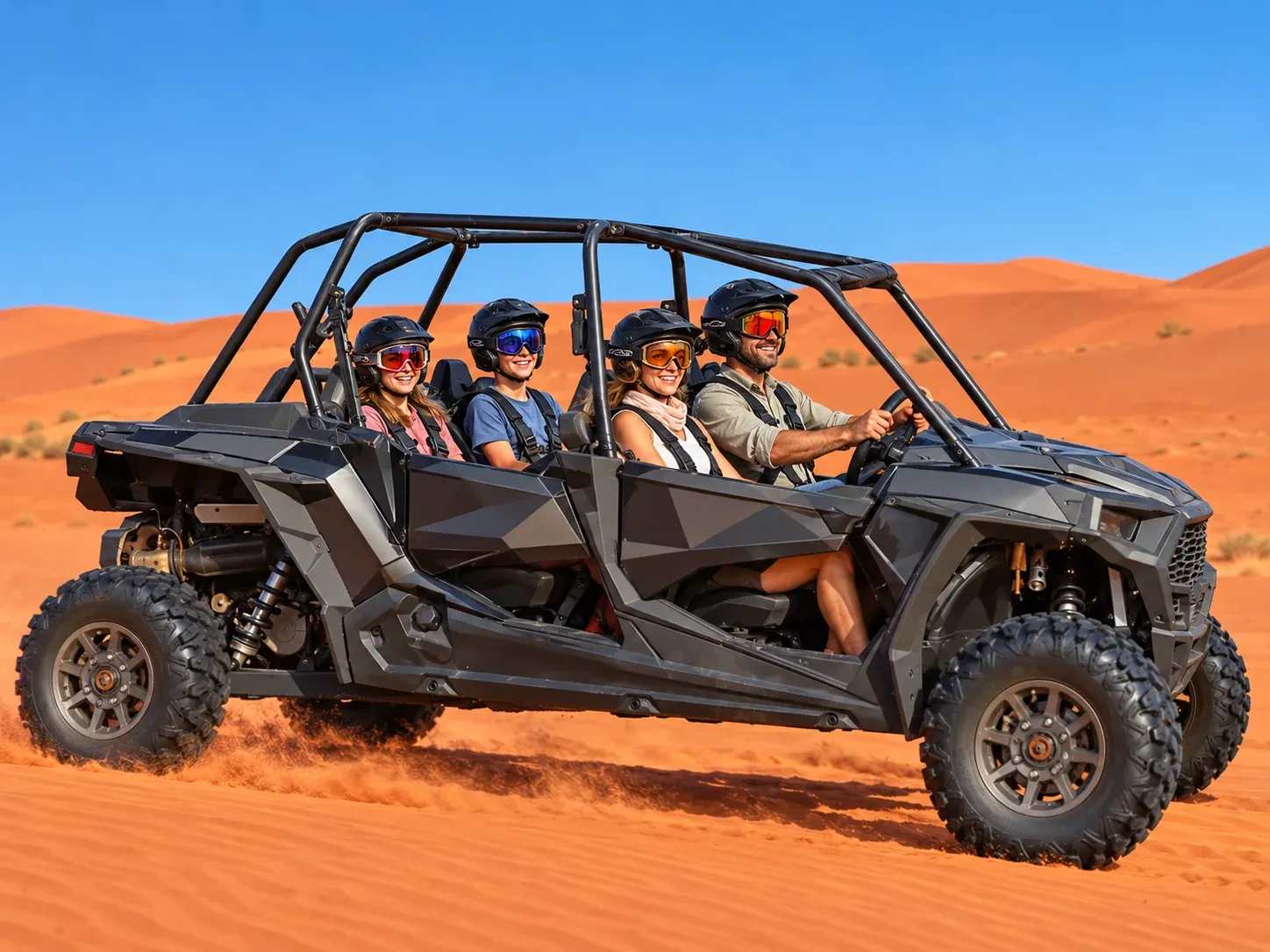
Make the final choice with a calm check
By the time you decide, the choice should be based on fit rather than excitement alone. Confirm that the driver is comfortable with the vehicle, the route suits the group and the safety equipment is in proper condition. If anything feels unclear, ask for clarification before committing.
A final visual check can catch simple problems. Look for damaged tyres, loose fittings, cracked panels and anything unusual around the driving position. This is not a mechanical inspection, but it can reveal obvious warning signs. If a fault seems serious, do not drive the vehicle. Leave that assessment to a qualified professional.
Choosing well means setting the drive up for control from the beginning. When the buggy, terrain and driver match, the desert feels more manageable and the experience is easier to enjoy. Take the time to compare options carefully, and pick the setup that supports a steady, responsible drive rather than the one that simply looks impressive.